Explore every hypothesis without being constrained by time, cost, or experimental capacity constrained by time, cost, or experimental capacity constrained by time, cost, or experimental
Read more

Publications

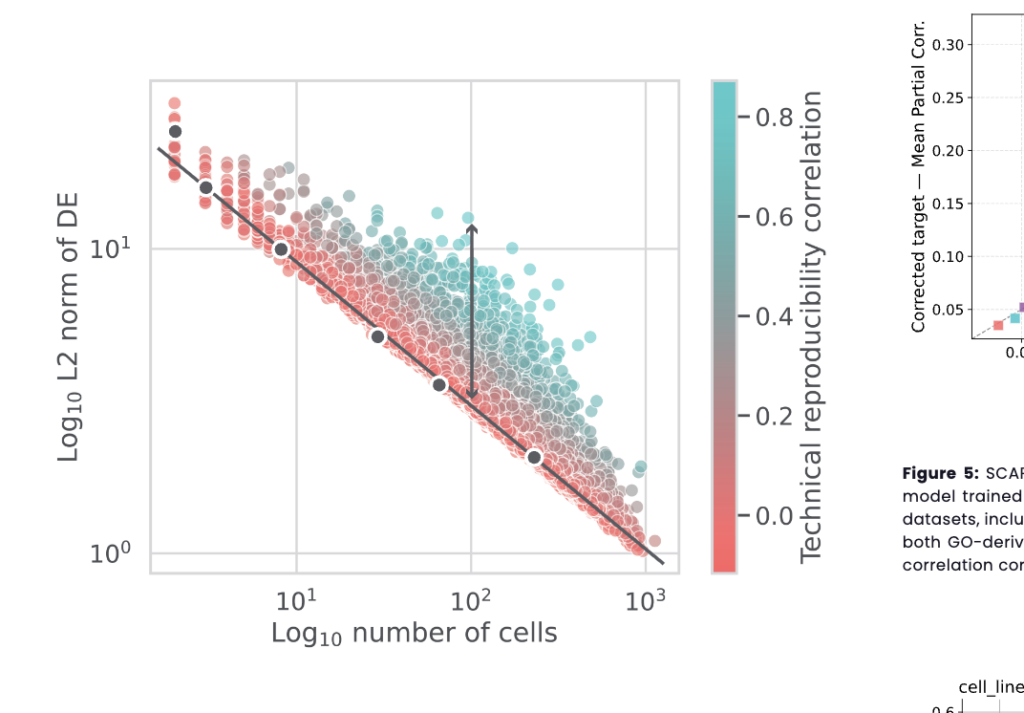
Correcting Cell Count Bias Improves Perturbation Effect Estimates and Virtual Cell Models 
PosterTRAIL

Gerold Csendes, Bence Czakó, Gema Sanz, Zsolt Gyüre, Milán Sztilkovics, László Mérő, Gábor Kovács, Kristóf Szalay, Bence Szalai

Target identification and combination screening uncover context-specific therapeutic vulnerabilities, characterize molecular determinants of target dependency, and identify rational combination strategies. While large-scale perturbation studies can be performed experimentally, systematically profiling diverse tumor models, molecular subtypes, and therapeutic contexts remains resource-intensive and limits exploration across broader biological landscapes. To address this challenge, we… read more
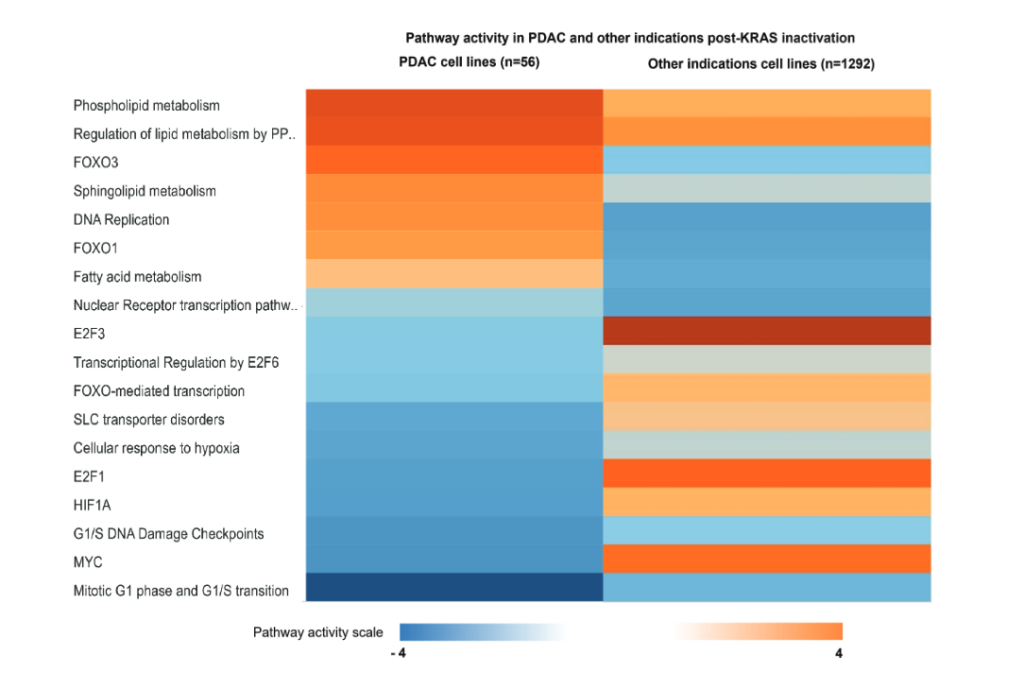
Virtual Target Identification and Double Perturbation Screens Enable Scalable Discovery of Pancreatic Cancer Vulnerabilities and KRAS Combination Opportunities 
PosterTRAIL

Hasan Mamar, Csilla Hegedüs, Iván Fekete, Imre Gáspár, László Mérő, István Taisz, Valér Kaszás,Szabolcs Tarapcsák, Kata Szégner, Zsolt Gyüre, Milán Sztilkovics, Kristóf Szalay, Dániel Veres, Krishna Bulusu

Target identification and combination screening uncover context-specific therapeutic vulnerabilities, characterize molecular determinants of target dependency, and identify rational combination strategies. While large-scale perturbation studies can be performed experimentally, systematically profiling diverse tumor models, molecular subtypes, and therapeutic contexts remains resource-intensive and limits exploration across broader biological landscapes. To address this challenge, we… read more
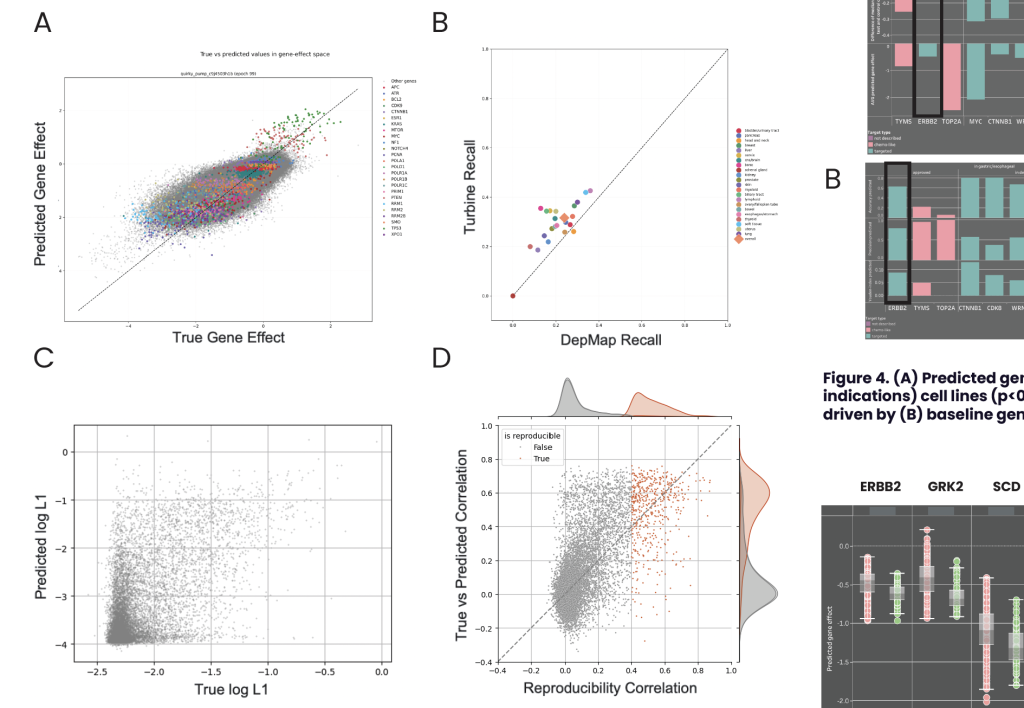
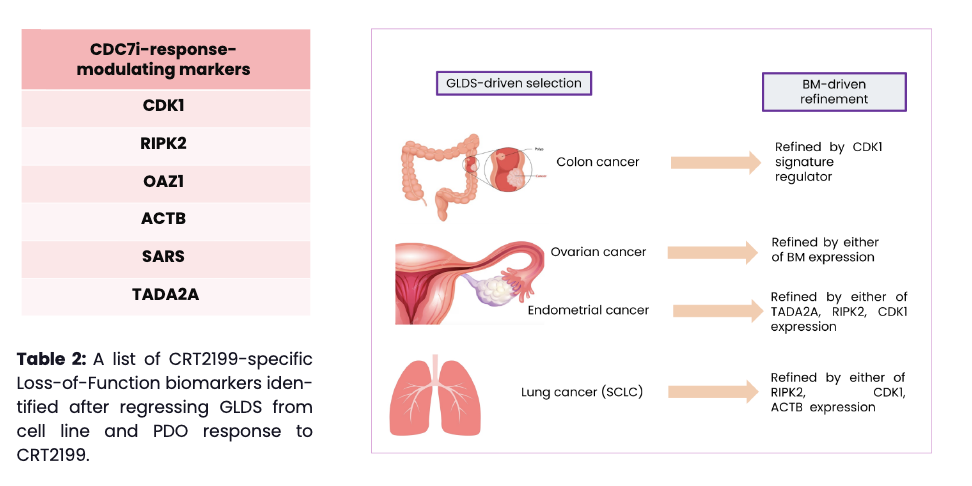
Computational and Experimental Analyses Identify Indicators of Response to the CDC7 Inhibitor CRT2199 Beyond General Drug Sensitivity 
Poster

Hasan Mamar, Dora Kallai, Peter Szikora, Ivan Fekete, Arpad Varga, Csilla Laczka, Nora Ordasi, Elisabeth Trivier, Daniel V. Veres

Cell Division Cycle 7 (CDC7) is a serine/threonine kinase that plays a critical role in the initiation of DNA replication. In complex with its regulatory subunit DBF4, CDC7 phosphorylates components of the MCM2–7 helicase, enabling replication origin firing and S-phase entry. Tight regulation of CDC7 activity is essential for genome stability, as… read more

Target Discovery Through Mechanism-Enabled Simulations in the Virtual Lab 
Poster

Csilla Hegedüs, Katalin Szégner, László Mérő, Milán Sztilkovics, Zsolt Gyüre, Eszter Szarka, Iván Fekete,Maria Victoria Ruiz Perez, István Taisz, Imre Gáspár, Gábor Kovács, Kristóf Szalay, Dániel Veres, Krishna Bulusu

Minimizing the risk of late-stage failure in drug discovery for novel targets remains a central challenge in translational research. Conventional preclinical perturbation datasets lack mechanistic insight and context specificity. Turbine’s Virtual Biology capabilities which include the Simulated Cell™, Virtual Lab platform and Lab-in-the-Loop capabilities (Fig. 1.) offer rapid scalable access to simulations… read more

Virtual Cells: From Biological Complexity to Scalable R&D Advantage 
Whitepaper

Krishna C. Bulusu, Dániel Veres

Virtual Cell platforms are emerging as a transformative capability for drug discovery and development, enabling faster, more cost-efficient, and more productive R&D pipelines. By virtualizing biological experiments with AI-driven models, Virtual Cells allow researchers to simulate millions of perturbations in silico, far beyond what is feasible in the laboratory, while increasing the… read more

Assessing a Virtual Cell’s Utility 
TRAILWhitepaper

Bence Czakó, Gerold Csendes, Gema Sanz, Gábor Kovács, Kristóf Szalay, Bence Szalai

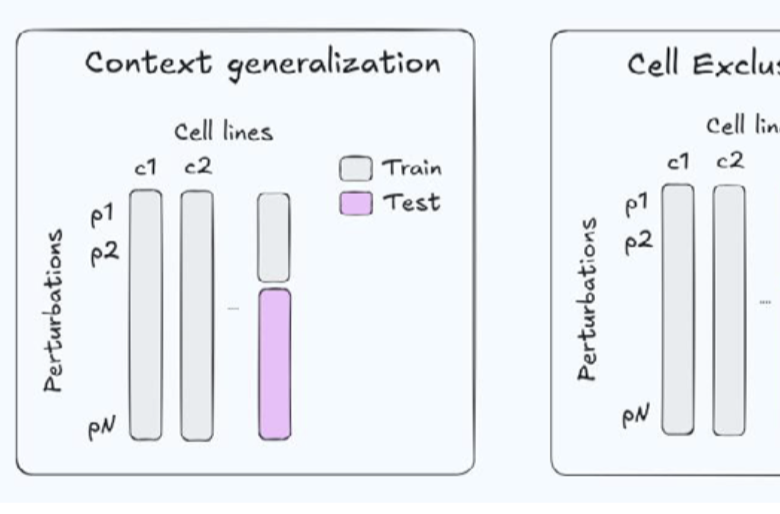
Perturbation modeling aims to find a model that can accurately predict the outcome of a perturbation on a given cell, such as a drug or CRISPRi intervention. Creating a massive amount of perturbation data is a challenging endeavor due to technical and financial constraints, which inhibit the progress of creating a biologically… read more